

E-bikes offer a fantastic way to travel while reducing carbon emissions. They help people of all ages cycle further and more easily. However, the lithium batteries that power these bikes carry fire risks. Understanding e bike fire safety protects you, your family, and your property.
Lithium battery fires develop rapidly and burn extremely hot. They produce toxic fumes that can cause serious injury or death. These fires prove incredibly difficult to extinguish. The good news is that most e-bike fires are preventable with proper care.
Buying Your E-Bike Safely
Purchase complete e-bikes from reputable retailers whenever possible. These bikes come with batteries and chargers designed to work together safely. Buying from trusted sellers reduces your risk of receiving counterfeit products.
Register your e-bike with the manufacturer after purchase. This allows them to contact you if they issue a recall. Second-hand and refurbished bikes require extra caution. You cannot easily verify whether these products are genuine or meet UK safety standards.
Look for CE or UKCA markings on any e-bike you consider buying. These certifications indicate the product meets British or European safety standards. Conversion kits that turn regular bikes into e-bikes carry higher risks. The retrofitted components may not suit the original bike frame. Professional installation by an insured technician is strongly recommended.
Batteries and Chargers: What You Need to Know
Always use the battery and charger supplied with your e-bike. If you need replacements, buy only genuine items from the manufacturer. Third-party batteries and chargers might seem cheaper. However, they can prove incompatible with your system and create serious fire hazards.
Counterfeit products often lack proper safety features despite looking identical to genuine items. Using unauthorized batteries or chargers could destroy your home or cost you your life. The small savings are never worth the risk.
Never buy used battery packs unless you know their complete history. Previous damage or abuse may not be visible. Internal battery damage dramatically increases fire risk even when the outside looks fine.
Safe Storage and Charging Locations
Never charge your e-bike where a fire could block your escape route. Avoid storing or charging bikes in hallways, stairwells, or communal areas. If fire breaks out in these locations, residents may become trapped.
Store and charge your e-bike in a shed or garage separate from your home if possible. This keeps potential fires away from sleeping areas. If you must charge inside, choose a room with a door you can close.
Keep e-bikes away from flammable materials during storage and charging. Avoid extremely hot, cold, or damp locations. Install heat alarms in garages or areas where you charge batteries. Heat alarms work better than smoke alarms in these spaces. Ensure you have working smoke alarms throughout the rest of your home.
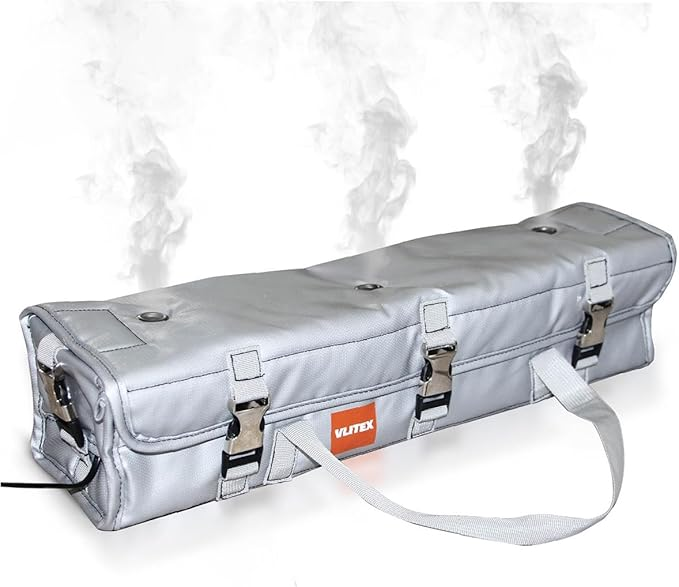
If the batteries on your e-bike are detachable, then you can also consider using specialised containers to store your batteries – not only during charging but also while they are in the house and pose any kind of risk. German specialist Vlitex has been making such products for over 20 years and has specifically designed containers for minimising fire risk from lithium batteries while they are being charged, and stored.

Charging Best Practices and E Bike Fire Safety
Use only the charger supplied with your e-bike or approved by the manufacturer. Follow all manufacturer instructions for charging and maintenance carefully. Never charge your battery unattended or while you sleep. You must remain awake and alert to respond quickly if problems develop.
Charge batteries on hard, flat surfaces that allow heat to dissipate properly. If your battery feels hot after intensive use, let it cool completely before charging.
Do not overcharge your battery beyond the recommended charging time. Unplug the charger once charging completes. Keep batteries out of direct sunlight and away from extreme temperatures. Never overload socket outlets or use coiled extension leads.
Some owners use specialized fire containment cases or bags designed for lithium batteries. These cases can help contain a fire if one starts during charging. They provide an extra layer of protection when used correctly. However, they do not replace other safety measures.
Check your battery regularly while charging and during use. Stay alert for any warning signs of battery failure. Knowing these signs could save your life.
Warning Signs Your Battery Is Dangerous
Your battery will often show warning signs before catching fire. Recognizing these signs gives you time to act. Excessive heat during charging or use indicates a potential problem. Batteries generate some warmth normally, but extreme heat suggests defects.
Physical changes to the battery are serious warning signs. Bulging or swelling means the battery is failing. Stop using it immediately. Look for any lumps or leaks from the battery casing.
Failing batteries sometimes make hissing or cracking sounds. Listen carefully while your battery charges. Strange or strong smells from the battery signal trouble. These odours may indicate toxic chemicals leaking.
Poor performance can reveal battery problems before visible signs appear. Batteries that fail to fully charge or take longer than usual need attention. If your battery produces smoke, a fire has already started. React immediately.
What to Do If You Spot a Problem
Turn off and unplug the charger immediately if you notice warning signs. Carefully move the e-bike and battery outside if you can do so safely. Place them away from people, pets, and anything that can burn.
Contact the manufacturer or retailer for advice on what to do next. Report the faulty battery to Citizens Advice in England and Wales. In Scotland, contact Advice Direct Scotland. Report to your local Trading Standards office as well.
If your battery starts smoking or catches fire, get everyone out immediately. Raise the alarm and call 999 as you leave. Stay out and never attempt to fight a lithium battery fire yourself. These fires are too dangerous for untrained people to tackle.
Damaged Batteries: Know the Risks
Batteries can suffer damage during normal use. Dropping your battery or crashing your bike can cause internal harm. External damage may not be visible even when internal components are compromised.
Damaged batteries can catch fire suddenly without warning. Inspect your battery regularly for any signs of damage. Replace any battery you suspect might be damaged. Never charge or use a battery that shows damage.
Even minor impacts can affect battery integrity. When in doubt, replace the battery. The cost of a new battery is nothing compared to the cost of a fire.
Proper Disposal of E-Bike Batteries
Never dispose of lithium batteries in household waste or regular recycling bins. Damaged batteries can ignite in bin lorries or at waste facilities. This endangers workers and the public.
Manufacturers and importers must offer free take-back services for old e-bike batteries. Contact them to arrange safe disposal. Alternatively, ask the retailer where you bought your bike. Your local authority website will list battery recycling locations in your area.
Proper disposal protects waste workers and prevents environmental contamination. It takes only a few extra minutes to dispose of batteries correctly.
Emergency Planning
Create a clear escape plan for your household in case of fire. Ensure everyone knows the quickest route out of your home. Practice your escape plan regularly, especially if you have children.
Make sure every household member understands what to do if they discover a fire. Keep phone numbers for emergency services easily accessible. Never go back inside a burning building for any reason.
Teach family members never to tackle a lithium battery fire themselves. These fires require professional firefighters with specialized equipment and training. Your safety depends on getting out and staying out.
Conclusion
E bike fire safety requires constant attention and responsible practices. Most fires are entirely preventable through careful purchasing, proper charging, and regular inspection. Buy from reputable sources and use only genuine batteries and chargers.
Never charge batteries unattended and keep them away from escape routes. Recognize warning signs early and act decisively if problems occur. Create and practice an emergency escape plan with your household.
E-bikes provide excellent benefits for personal transport and environmental health. Following these safety guidelines lets you enjoy those benefits while protecting what matters most. Stay vigilant, follow manufacturer instructions, and never compromise on e bike fire safety.